The Shift Toward Home Care for Disabled Adults in Los Angeles
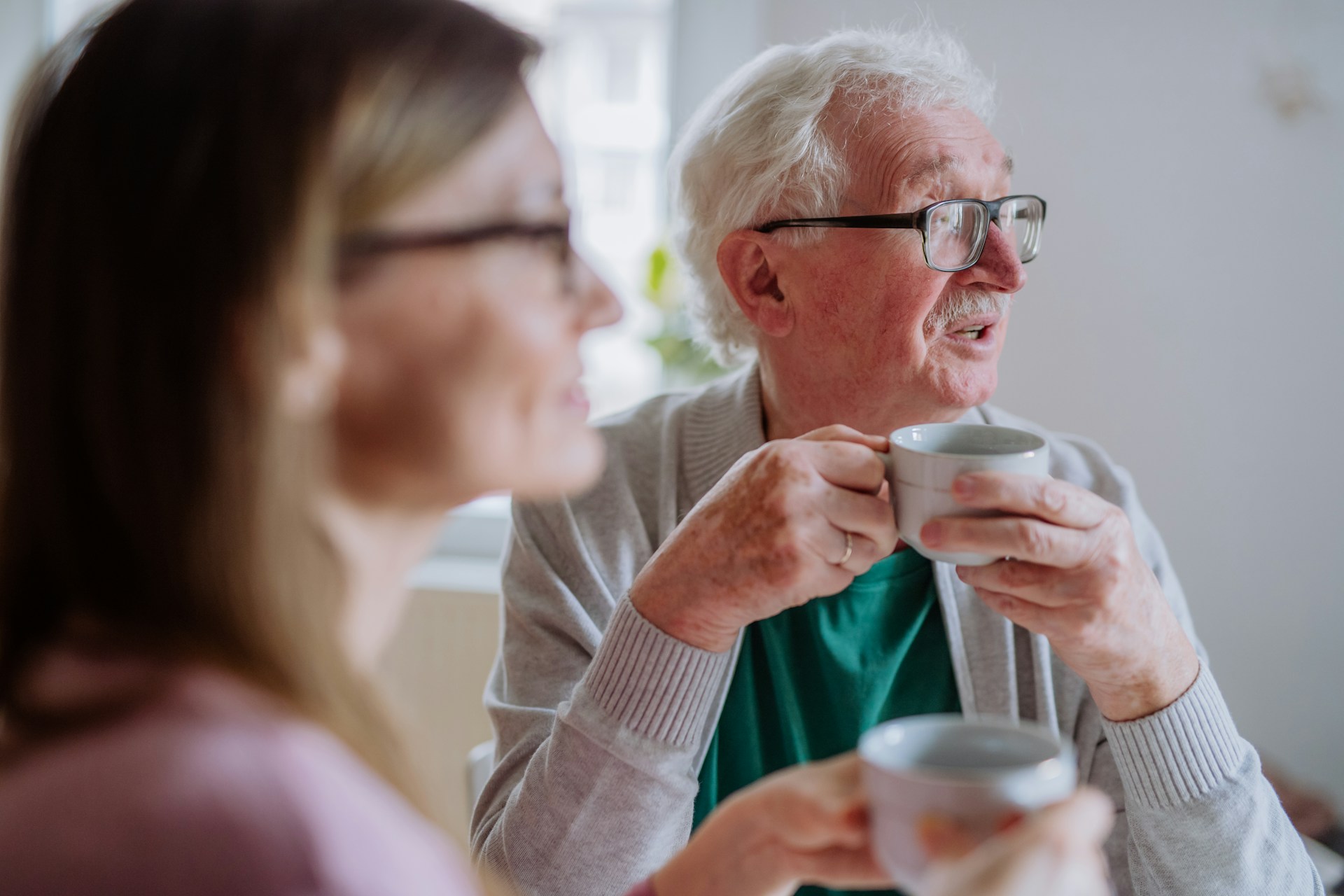
More disabled adults in Los Angeles are saying one simple thing: “I want to stay home.” Home feels safe. The couch is in the right spot, the favorite coffee mug is in the right cabinet, and the people who come and go are familiar. When health needs change, many adults with disabilities are choosing extra support at home instead of moving into a facility.
Across the country, people are asking for the same thing. They want help, but they also want control, comfort, and the life they know. Home care for disabled people in Los Angeles is growing because it brings support into the home instead of pulling someone out of it. In this article, we will talk about why this shift is happening, how rules in California protect families, and what in-home support can look like day-to-day.
The National Push Toward Care at Home
Across the United States, adults are clear about one preference: if they ever need help with daily tasks, they want that help at home. National polls and research show that most people would rather receive care where they live than move into a nursing home or large facility. This is not just about comfort; it is about personal values and control.
Home care fits with common American values such as:
- Independence and choice about daily routines
- Privacy and personal space
- Staying close to family and friends
- Keeping pets, hobbies, and favorite activities nearby
Technology is also making home care more realistic for disabled adults. Many people now use:
- Telehealth visits to check in with doctors from home
- Remote monitoring tools that alert family if something seems wrong
- Home modifications like ramps, grab bars, and better lighting
All of these tools support safety, but they still protect something deeply important: the feeling of living in your own place, on your own terms.
Why Home Care for Disabled People in Los Angeles Is Rising
Los Angeles has its own set of challenges and comforts, and both play a big role in the move toward home care. Quality facility care can be hard to find, and long waitlists are common. Long drives across the city can turn a simple visit into a stressful, all-day event. For many disabled adults, the idea of leaving a familiar neighborhood for a faraway facility feels like too big a loss.
Home care can help solve some of these LA-specific issues:
- Staying in a known neighborhood, close to favorite shops and parks
- Remaining near trusted doctors, clinics, and therapists
- Continuing to be part of a cultural or faith community
- Speaking the same language as caregivers and neighbors
Many families also like how flexible home care can be. Support can be shaped around the person, instead of the person fitting into a facility schedule. Care may include:
- Help with bathing, dressing, and grooming
- Support with transfers from bed to chair or wheelchair
- Light housekeeping, laundry, and meal preparation
- Companionship and community outings
As late spring turns into summer, heat and air quality in Los Angeles can be hard for disabled adults, especially those with breathing or heart conditions. In-home caregivers can adjust the day so outings happen earlier in the morning, blinds are closed during the hottest hours, cool drinks are nearby, and the home is kept as comfortable as possible. That kind of quick adjustment is much easier when care happens right where the person lives.
How California’s Home Care Services Bureau Protects Families
One concern families often have is safety. Allowing someone into a loved one’s home is a big decision. In California, the Home Care Services Bureau, called HCSB, helps protect families who choose agency-based care.
The HCSB oversees licensed home care organizations. Its role includes:
- Licensing home care agencies that meet state standards
- Requiring caregiver registration with background checks
- Setting rules for training, records, and supervision
- Providing a place to report concerns about an agency
There is an important difference between agencies that follow HCSB rules and private caregivers hired on a cash basis. HCSB-regulated agencies must keep up with state requirements, follow clear hiring steps, and maintain records. When families choose a licensed agency, they gain more structure and more oversight than they would have hiring alone.
This does not remove every worry, but it greatly lowers the risks that come with letting someone new into the home. It also gives families a clear path if they ever feel something is not right, which can be very reassuring.
The Unique Benefits of in-Home Support for Disabled Adults
Home care is not just about tasks. It is about daily life. Adults with disabilities who remain at home can hold on to routines that feel like “them.” That might mean watching a favorite show at a certain time, tending to plants on the balcony, or greeting the same neighbors each afternoon.
Some quality-of-life benefits of in-home care include:
- Keeping pets close and involved in daily life
- Staying engaged with local faith groups and community centers
- Continuing hobbies like crafts, music, or games
- Adjusting routines instead of following facility schedules
In-home caregivers focus on both independence and safety. Support can include:
- Help with bathing, dressing, and grooming in a private, respectful way
- Assistance with walking, transfers, and wheelchair use
- Gentle medication reminders, without handling prescriptions like a nurse
- Watching for trip hazards and offering fall-prevention ideas inside the home
- Transportation to appointments, social events, and errands
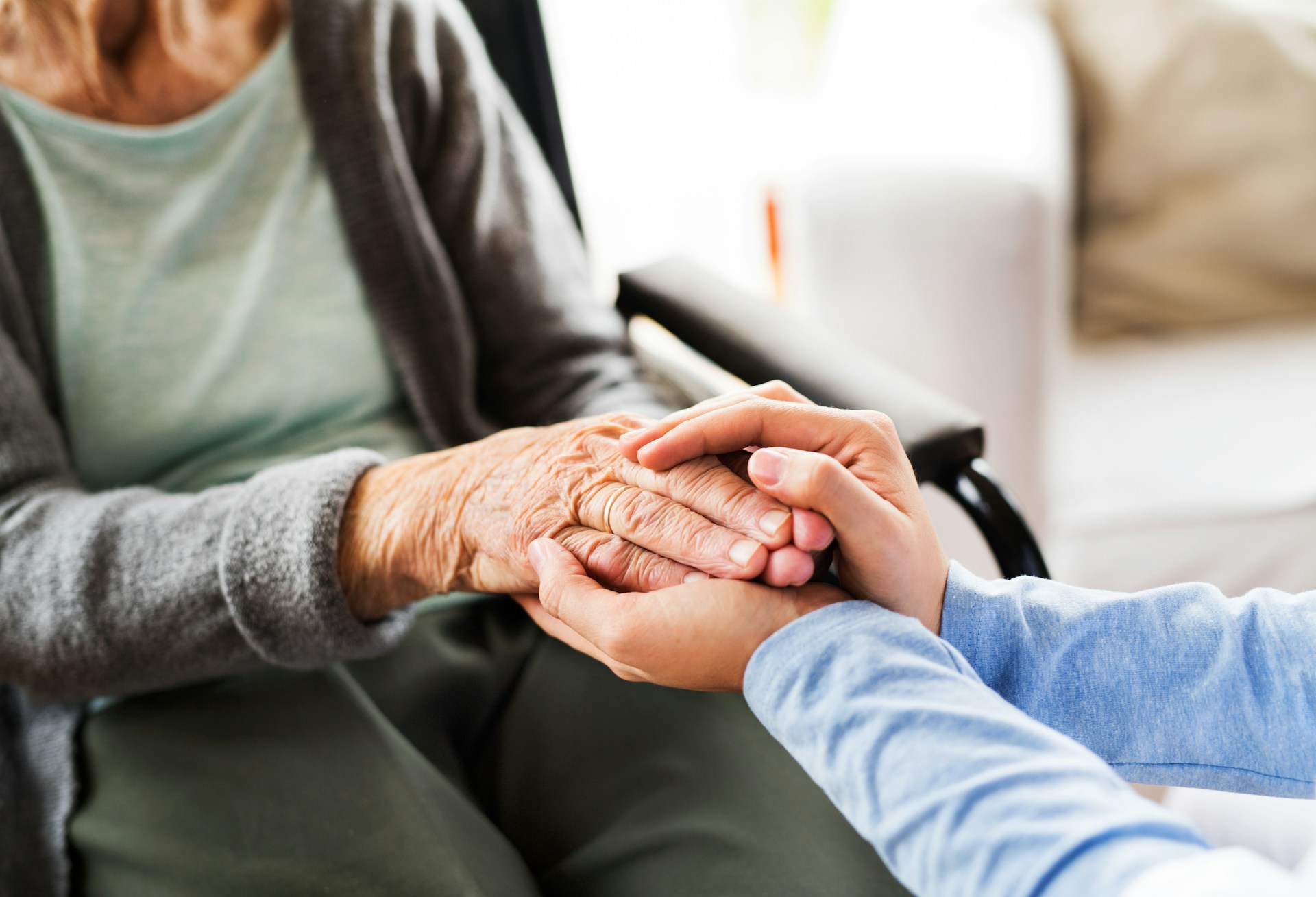
Emotional health matters too. One-on-one time with a consistent caregiver can ease loneliness and bring conversation, laughter, and simple human connection. Family members can be as involved as they want, without needing to sign in, follow strict visiting hours, or adjust to facility rules. They stay partners in care, not just guests.
How Home Guardian Angels Supports LA Families at Home
Home Guardian Angels is a licensed home care agency in Los Angeles. We focus on personalized, non-medical care for seniors and adults with disabilities who want to remain in their own homes. Our goal is to support both safety and independence, while respecting each person’s routines, culture, and preferences.
Our services include help with:
- Personal care, like bathing, dressing, grooming, and toileting
- Mobility and transfers, including safe movement around the home
- Light housekeeping and laundry
- Meal preparation and help with eating as needed
- Medication reminders
- Companionship, conversation, and activities
- Support with errands and community outings
We build individualized care plans so support can match each person’s needs and schedule. We pay close attention to caregiver matching, like language, personality, and experience, so the relationship feels comfortable for everyone. As a licensed agency, we follow HCSB standards for safety and professionalism, including caregiver background checks and ongoing oversight.
For many families, choosing home care for disabled people in Los Angeles is not just a care decision; it is a life decision. It is about honoring a loved one’s wish to stay in the place that feels most like them, with the right help coming to the front door instead of asking them to leave it behind.
Get Personalized Support For Independent Living Today
If you or a loved one needs reliable, compassionate home care for disabled people in Los Angeles, we are here to help you create a plan that fits your daily routines and long-term goals. At Home Guardian Angels, we take the time to understand your specific needs so our caregivers can support safety, comfort, and independence at home. Reach out to our team with any questions or to request a customized care consultation. You can contact us today to discuss next steps.