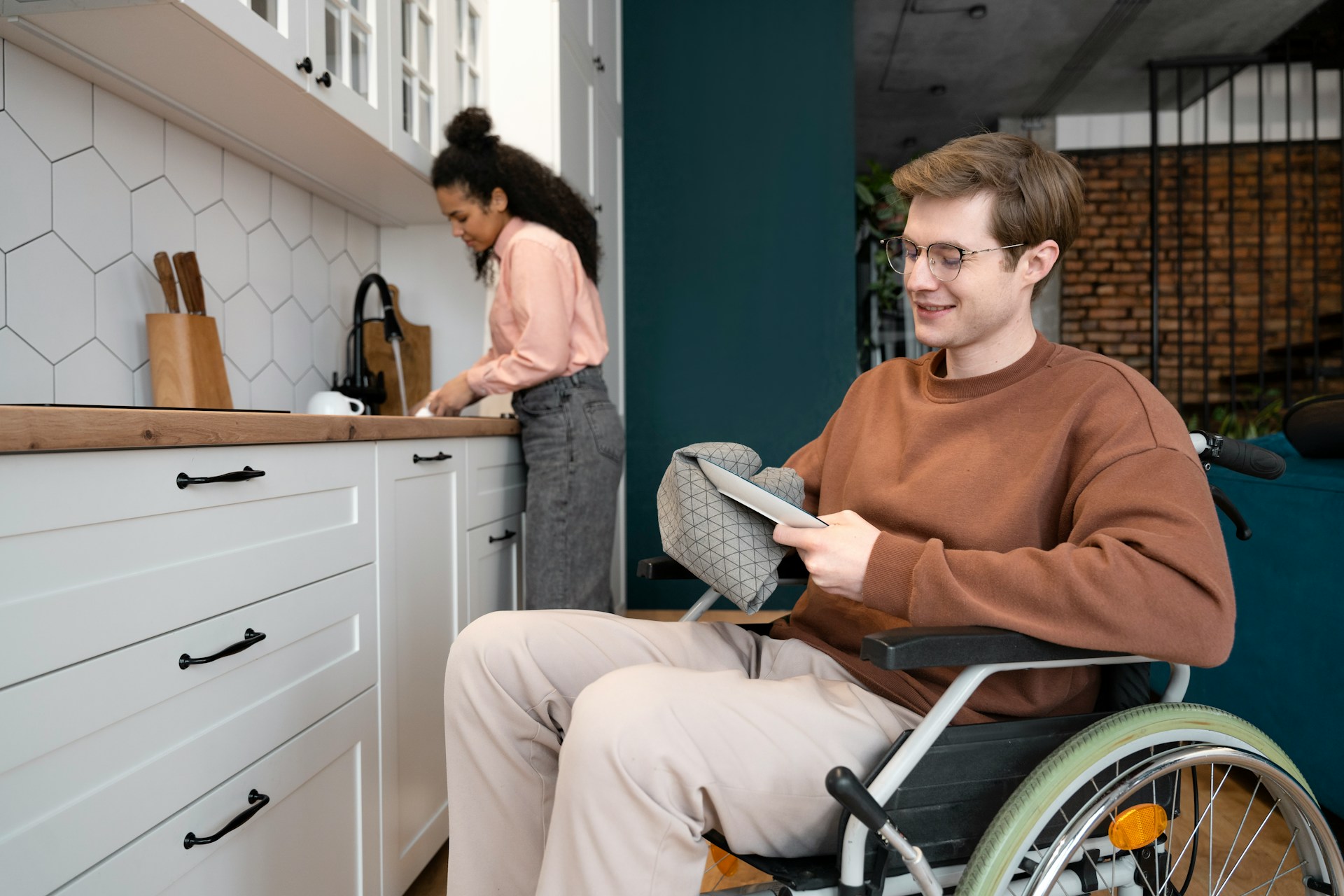
Personalized Support That Honors Every Ability
Finding a caregiver for a disabled adult in Los Angeles can feel heavy. You want your loved one to be safe, respected, and as independent as possible, but your own schedule keeps filling up, especially as spring events, school breaks, and family plans stack up. It is normal to feel pulled in many directions at once.
The right in-home caregiver is not just someone who checks off tasks on a list. Good care should support independence, confidence, and quality of life. It should help your loved one do more of what they enjoy, in a way that feels calm and dignified.
In this guide, we will walk through what caregiver services for adults with disabilities can look like, the benefits of in-home support, what to look for in a caregiver, and how thoughtful care plans can grow and change over time. Our goal is to help you feel more informed and less alone as you make decisions for your family.
Understanding Caregiver Services for Adults with Disabilities
Caregiving for adults with disabilities covers a wide range of support. It is about daily life, but it is also about comfort, safety, and connection. Depending on the person, caregiver services might include:
- Help with daily tasks like bathing, dressing, grooming, toileting, and eating
- Mobility support such as transfers, walking, or wheelchair assistance
- Medication reminders and help staying on track with routines
- Transportation to programs, appointments, and social activities
- Companionship, conversation, and support with hobbies
There is a difference between medical care and non-medical home care. Medical care is provided by doctors, nurses, and other clinicians. They focus on treatments, procedures, and clinical needs. Non-medical home care, on the other hand, focuses on everyday living. It supports comfort, safety, and independence, and often works alongside medical care to help follow through with doctor recommendations.
In Los Angeles, families often look for caregiver support for adults with:
- Developmental disabilities
- Disabilities from injury or illness
- Progressive conditions that change over time
As days get fuller with appointments, day programs, outdoor events, and family plans in spring and summer, having dependable in-home support can matter even more. Routines may shift, and having a trusted caregiver in place can help keep life steady for everyone.
Benefits of In-Home Care for Adults with Disabilities
For many adults with disabilities, home is where they feel most comfortable. The sounds, smells, and routine of home can bring a sense of calm that facilities sometimes cannot match. Staying in familiar surroundings can help reduce stress and support emotional wellbeing.
In-home caregivers can shape their support around the person, not just the diagnosis. That means paying attention to:
- How the person likes to communicate
- What pace feels comfortable for them
- Cultural background, language, and family traditions
- Sensory needs, such as sound or light sensitivity
When care matches the person, it can build trust and help them feel more in control of their day.
Safety and independence often go hand in hand. A caregiver for a disabled adult in Los Angeles can help with:
- Fall prevention and safe movement around the home
- Transfers to and from beds, chairs, and vehicles
- Gentle reminders about medications and routines
- Support with walkers, wheelchairs, and other devices
This kind of steady support lets adults with disabilities do more for themselves while staying safer.
Families feel the difference too. When a trained caregiver is present, family members can step out of the “all-day helper” role for a while and be more present as a parent, sibling, or partner. This can reduce burnout and create more space for quality time together, especially during busy warm-weather months and holiday periods.
Key Services Home Caregivers Provide in Los Angeles
Daily living and mobility support are often at the heart of care for adults with disabilities. A caregiver can offer hands-on help while still protecting privacy and dignity. That can include:
- Bathing, dressing, grooming, and toileting
- Transfers from bed to wheelchair or chair to car
- Gentle support with walking or wheelchair use at home and in the community
Mobility support can extend beyond the front door. Many adults need help getting to work programs, therapies, classes, or social outings. A caregiver can assist with safe transportation and staying close by during activities.
Household and health-related support also make life easier. Caregivers may help with:
- Light housekeeping such as tidying, dishes, or laundry
- Simple meal preparation that fits dietary needs and personal likes
- Medication reminders and help keeping track of schedules
- Coordinating with family around appointments and daily plans
Companionship is another big piece. Many adults with disabilities spend long stretches of time at home. A caring, steady presence can make those hours feel less lonely. Caregivers can:
- Play games, listen to music, or work on crafts together
- Take walks outside when the weather is pleasant
- Visit nearby parks or community centers
- Encourage safe social interactions and community involvement
This kind of connection can lift mood, support confidence, and bring more joy into everyday life.
How to Choose the Right Caregiver in Los Angeles
Choosing a caregiver for a disabled adult in Los Angeles is a big decision. It helps to think about qualifications, safety, and personal fit.
On the skills side, many families look for:
- Experience with similar disabilities or support needs
- Training in safe transfers and mobility assistance
- Understanding of different communication styles
- Patience with behavior differences and sensory needs
It is also important that agencies use background checks and reference checks, and that caregivers have CPR and first aid training. Ongoing education can help caregivers stay current and confident in their work.
Safety, reliability, and communication matter just as much. Helpful questions for agencies might include:
- How do you handle emergencies or sudden health changes?
- What happens if a caregiver is sick or cannot come?
- How do you manage schedule changes during holidays, school breaks, or summer travel?
- How do caregivers keep families updated about the day?
You also want a good personal match. A caregiver might have great skills but still not feel like the right fit if the personalities clash. It can help to think about:
- Language and cultural background
- Sense of humor, energy level, and style
- Comfort with pets, kids, or multi-generational households
- Shared interests, such as music, sports, or art
A strong match can turn care time into something your loved one looks forward to instead of something that feels like a chore.
Tailored Care Plans That Grow with Your Loved One
Good care is not one-size-fits-all. Thoughtful agencies build care plans around abilities, goals, and daily routines, not just a diagnosis. The focus stays on what the person can do and what they want more support with.
Creating a plan usually starts with an in-home visit. During this time, the agency listens to the adult, family members, and anyone else who plays a big role in daily life. Together, you might talk about goals like:
- Getting out into the community more often
- Building a clearer daily structure at home
- Making mornings or evenings less stressful
- Supporting new therapies or programs
As life changes, the care plan should change too. Schedules may shift with school breaks, summer programs, or new work opportunities. Health needs and mobility can also change over time. A flexible approach lets families adjust hours, tasks, and focus areas so support keeps matching real life.
Through it all, respect and choice are key. Adults with disabilities should be part of decisions about their own care as much as possible. Person-centered care means listening, adapting, and honoring their voice every step of the way.
Get Personalized Support For Your Loved One Today
If your family is ready for dependable help at home, we are here to provide the right level of care and respect for your loved one. Speak with Home Guardian Angels about how a dedicated caregiver for a disabled adult in Los Angeles can support daily routines, safety, and independence. We will listen to your needs, answer your questions, and outline a care plan that fits your situation. To discuss next steps or schedule a consultation, please contact us today.