Many Los Angeles families are tired of feeling pushed toward facilities. You might be stuck in traffic on the 405, rushing between work, kids, and quick visits to a parent who feels lonely and unseen in a place that never quite feels like home. This mix of guilt, worry, and frustration is what many people now call “facility fatigue.”
Across the United States, national surveys from organizations such as AARP consistently show that a large majority of older adults strongly prefer to remain in their own homes rather than move into institutional settings. This deep desire to age in place is at the heart of why families in Los Angeles, and across America, are turning to home care instead of facilities.
We will walk through what that fatigue feels like, what is causing it, and how licensed home care in Los Angeles can be a safer, calmer, and more personal option that supports America’s clear preference for care at home. We will also share how to vet home care agencies, including how the state’s Home Care Services Bureau (HCSB) oversees home care services, so your family can keep your loved one at home with confidence.
Why LA Families Are Saying “No More” to Facilities
Facility fatigue is not just being annoyed with one rule or one staff member. It is a deep feeling that the whole setup is not right for your loved one. Families tell us they feel:
- Worn out by constant changes in visiting rules
- Upset by rotating staff and rushed care
- Sad that their loved one’s days are controlled by a facility schedule
These experiences run directly against what most Americans say they want: care delivered in the comfort, privacy, and familiarity of their own home.
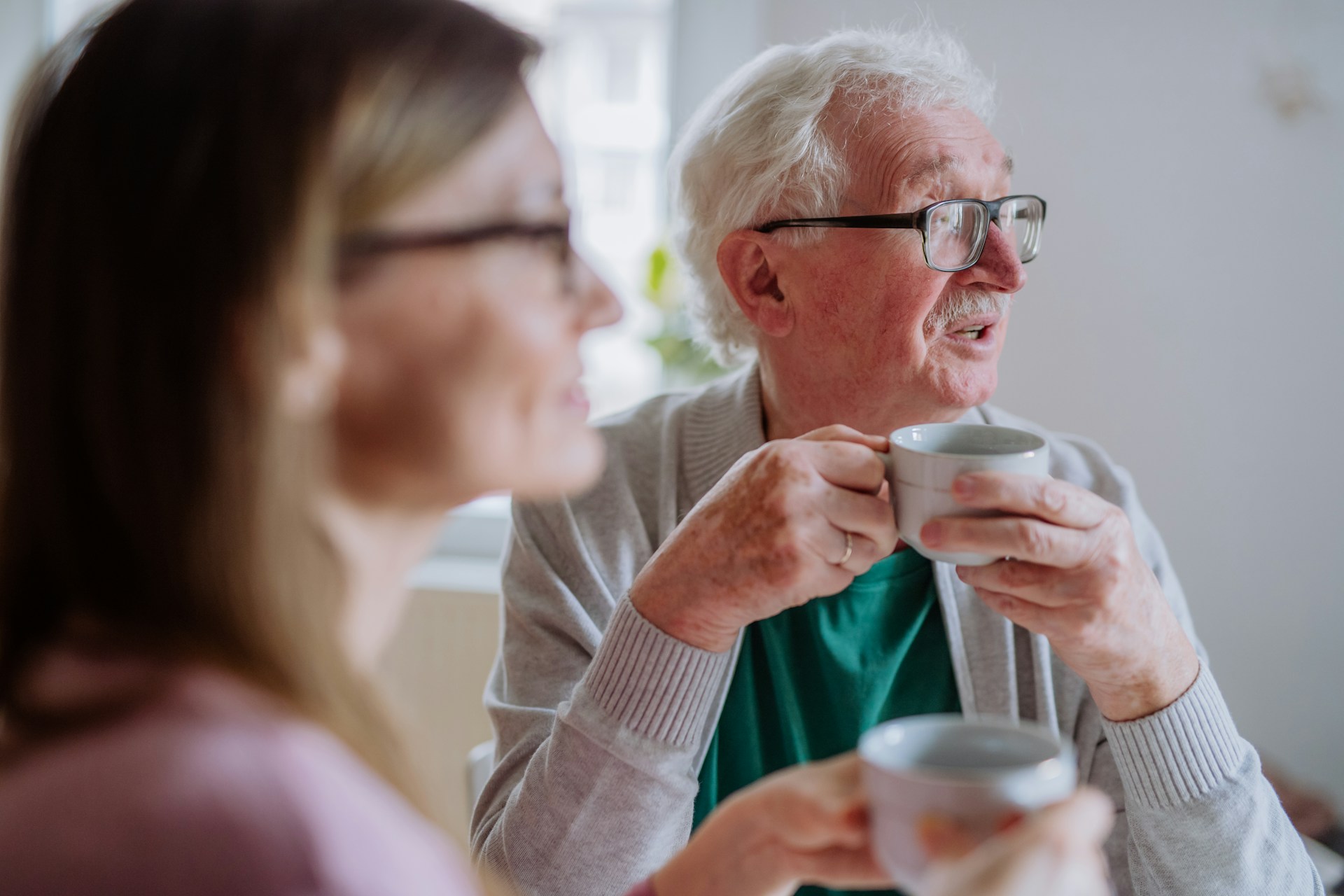
Many people in Los Angeles now look for home care because they want loved ones to stay safe, comfortable, and connected to their real life, not an institutional routine. Home care lets families keep culture, food, language, and faith traditions close, instead of giving them up at the front door of a building.
What “Facility Fatigue” Really Feels Like for Families
Facility fatigue shows up in the heart first. Common feelings include:
- Guilt, because the place feels cold or impersonal
- Anxiety, wondering if call lights are answered or pain is managed
- Stress, always trying to push for better care from the outside
Families also talk about losing control. Meals, wake-up times, showers, even which holiday traditions are allowed can be chosen by the facility, not by the person who actually lives there. That loss of control is hard, especially when you are also dealing with:
- Long drives across LA for short visits
- Parking stress and missed work to attend care meetings
- Constant worry that you are not there when something goes wrong
For families who know their loved one would rather be at home, these burdens can feel like they go against that core American wish to remain independent and in familiar surroundings.
Staffing Shortages, Visitation Limits, and Strict Infection-Control Rules
One big trigger for facility fatigue is staffing shortages. In many large LA facilities, you might see:
- Fewer aides trying to care for more residents
- Rushed showers or skipped walks
- Little time for conversation, comfort, or help with meals
This can lead to real safety and dignity concerns, like more falls, long waits for help to use the toilet or change, or missed medication reminders. In a city with high costs and heavy caregiver burnout, it can be hard for facilities to keep enough consistent staff, and families feel the impact every time they visit.
Another trigger is visitation limits. During the pandemic, many families were blocked from the bedside when their loved ones needed them most. The memory of locked doors and video calls instead of real hugs still hurts. Even now, it is common to face:
- Strict visiting hours
- Limits on how many people can come at once
- “No visitor” periods during outbreaks
This can turn family members into guests instead of true partners in care.
Infection control rules can also add to fatigue. Masks, gowns, gloves, and distance rules may be needed for safety, but they can feel cold, especially for someone with dementia or hearing loss who reads lips or facial expressions. Group activities and shared dining might be canceled or cut back. Families understand the need to protect health, but many feel that one-size-fits-all rules ignore personal risk tolerance, culture, and emotional needs.
All of these factors push families to look for an alternative that better reflects America’s strong preference for staying at home: licensed home care.
Why America Is Choosing Home and How Home Care Helps
Across the country, surveys of older adults consistently show that most want to live at home as long as possible, even if they need support. This American desire to age in place is grounded in the belief that home is where people can maintain dignity, independence, and control over daily life.
For LA families, home often means:
- Familiar foods and smells in the kitchen
- Conversations in a first language
- Space for multigenerational living
- Freedom to practice faith and traditions in their own way
Home care in Los Angeles can answer the big pain points that show up in facilities and give families what they are asking for nationwide: care in the home, not in an institution.
Home care can provide:
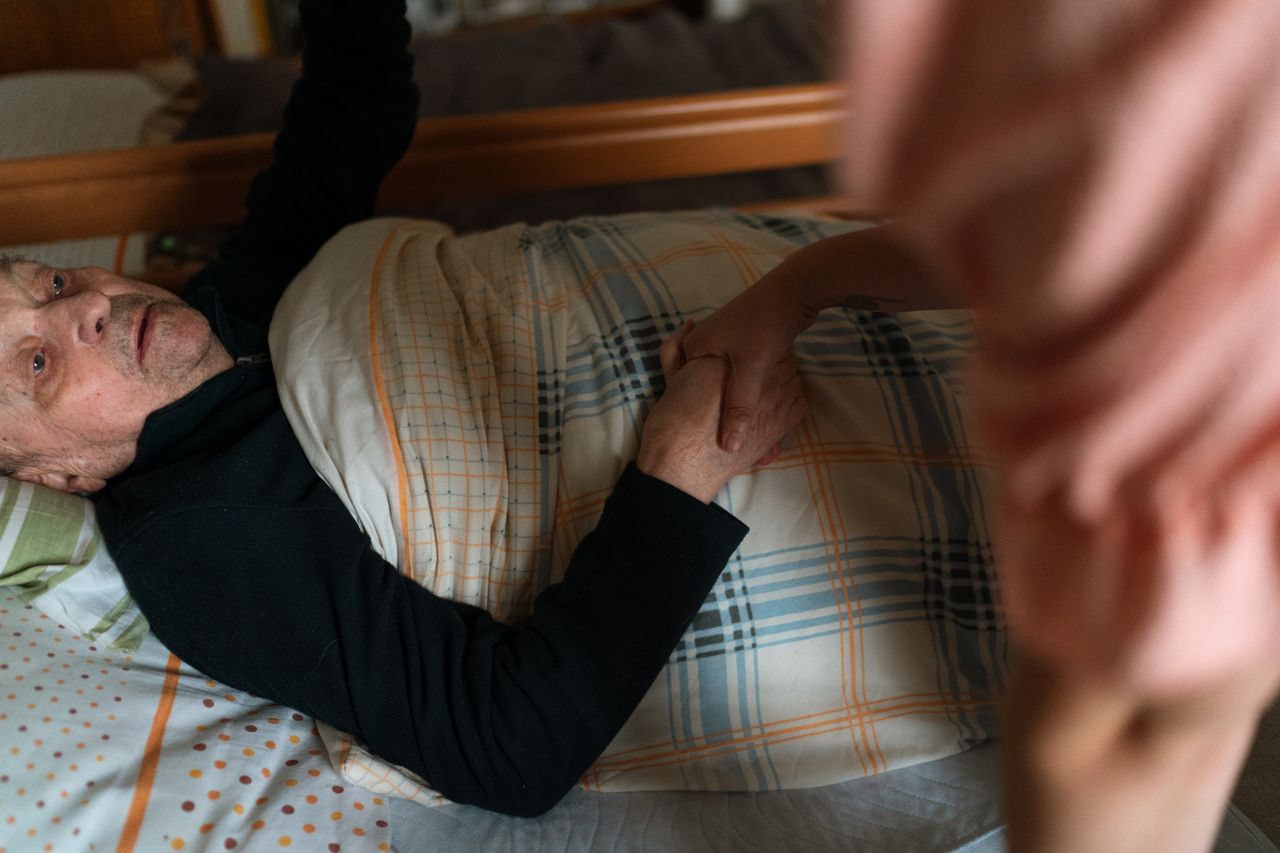
- Personalized attention, with support for bathing, dressing, meals, medication reminders, and companionship based on the person, not a building schedule
- Family at the center, with loved ones, children, friends, and faith leaders free to visit in a natural way
- Safety with warmth, where good infection control is brought into the home calmly, using PPE when needed without turning life into a constant medical scene
This model lets families keep control of routines, host visitors when it works for them, celebrate holidays their way, and keep pets and treasured items close. It aligns with what most Americans say they want: to receive care at home and avoid facility placement whenever safely possible.
How the Home Care Services Bureau (HCSB) Protects Families
In California, the Home Care Services Bureau (HCSB) is the state agency that licenses and regulates Home Care Organizations (HCOs) that provide nonmedical home care. HCSB is the primary authority that oversees these services to help keep clients safe at home.
HCSB:
- Licenses Home Care Organizations and enforces state standards
- Requires background checks and registration for Home Care Aides through the Home Care Aide Registry
- Sets minimum standards for nonmedical home care providers
- Helps families tell the difference between licensed agencies that are regulated and unregulated “under the table” care that does not have the same oversight
By choosing an HCSB-licensed agency, families can support their loved one’s wish to remain at home while relying on a framework of state oversight designed specifically for home care services.
How to Vet Home Care in Los Angeles and Plan for Summer at Home
Choosing home care still takes careful thought, but it is a choice that lines up with what older adults across America say they want: to stay in their own homes. When you talk with agencies, a simple checklist can help:
- Verify licensing and compliance
– Ask for the HCSB license number
– Confirm caregivers are registered Home Care Aides through the HCSB Home Care Aide Registry
– Request proof of insurance
- Review caregiver standards
– How are caregivers hired and screened?
– What training and supervision do they receive?
– What happens if a caregiver calls out or there is an emergency?
- Evaluate communication
– Is there a clear written care plan?
– Who updates the family and how often?
– How are schedule changes handled?
You can also ask key questions before you say yes, such as:
- Are caregivers employees or independent contractors?
- Do you carry workers’ compensation and liability insurance?
- How do you handle any concern about abuse or neglect?
- How will you match language, culture, and personality to my loved one?
- Can the schedule change as needs grow?
- What is included in the hourly rate, and how are holidays and weekends handled?
- How do you coordinate with home health or hospice if they are also involved?
Summer can be a smart time to shift away from facility care and honor your loved one’s wish to be at home. In Los Angeles, families often focus on:
- Watching heat and air quality, and making sure seniors stay hydrated and comfortable
- Planning safe family gatherings, short outings, or virtual visits with relatives during school breaks
- Using the longer days to test home care services, build trust with caregivers, and set up new routines before the busy fall season
Taking Back Control and Keeping Your Loved One Home
Choosing to bring someone home from a facility is not giving up on care. It is choosing a model that honors your loved one’s wishes, aligns with America’s broad preference to age in place, and supports your family’s values.
Simple starting steps include arranging an in-home assessment, gathering medical information, and involving siblings or key family members so everyone understands the plan. Working with an HCSB-licensed Home Care Organization ensures that this home-based approach is supported by state oversight designed specifically to protect clients receiving care at home.
At Home Guardian Angels, we see every day how licensed caregivers can help families in Los Angeles trade facility fatigue for peace of mind at home. Home can be safe, warm, and sustainable when the right support is in place, and families do not have to face that change alone. By choosing regulated home care services, you are acting in line with what so many Americans want: high-quality care delivered in the place they love most, their own home.
Give Your Loved One Compassionate Support At Home
Choosing care is a big decision, and we are here to guide you every step of the way. Explore how our personalized home care in Los Angeles can help your loved one stay safe, comfortable, and independent. If you are ready to talk through options, have questions, or need help getting started, simply contact us today so Home Guardian Angels can support your family with a tailored care plan.