Family-First Care Plans That Keep Los Angeles Seniors Home
Across the United States, most older adults say they want to age in place and receive care at home rather than in a facility. National surveys from organizations like AARP consistently show that a strong majority of Americans 50 and older would prefer to remain in their own homes, even as care needs increase. Home feels safe, familiar, and full of memories, and moving into a facility can feel scary and cold by comparison. When care needs grow, many people in Los Angeles, and throughout America, are choosing care brought into the home instead of moving out.
That desire to stay home only grew stronger after the pandemic raised concerns about large facilities and shared spaces. Senior home care in Los Angeles gives families another path, one that keeps comfort, safety, and dignity at the center while aligning with the broader American preference to remain at home. With licensed agencies, including those authorized and regulated by the California Department of Social Services Home Care Services Bureau (HCSB), which oversees non-medical home care services in the state, families can feel more confident that care at home is safe and supervised. With the right, family-first care plan, staying home can stay realistic, even as needs change.
Why Los Angeles Families Choose Care at Home
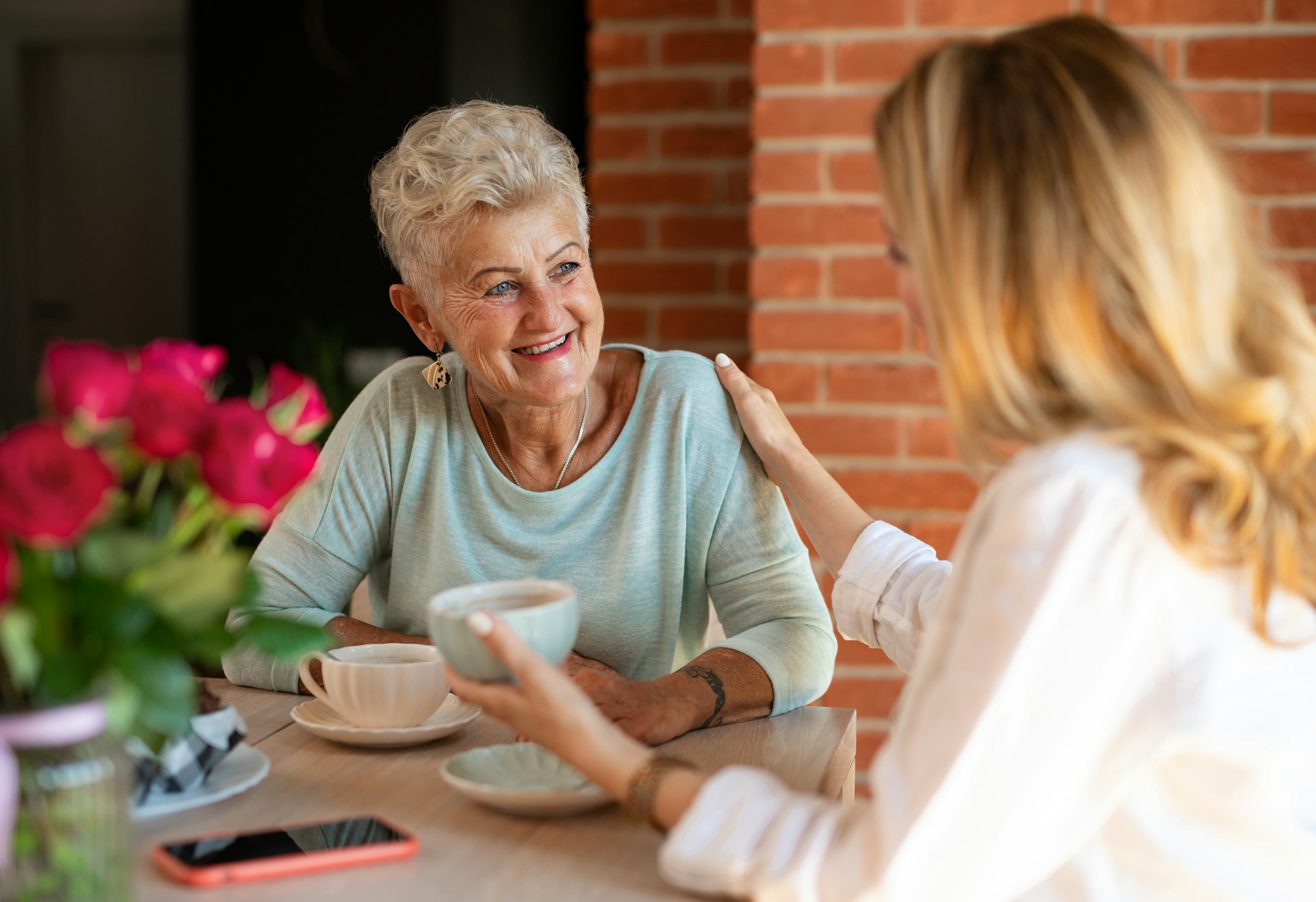
When families talk about care, the heart of the conversation is often simple: “We want to keep home.” The thought of packing up a life, leaving neighbors, and giving up favorite daily routines is hard on everyone. Home care makes it possible to bring support into the living room, kitchen, and backyard, instead of moving into a shared building with strict routines.
Families in Los Angeles, and across America, often choose senior home care because it:
- Keeps couples together, even if only one person needs help
- Lets grandchildren keep visiting the same familiar home
- Makes it easier to keep pets, gardens, and favorite belongings nearby
- Reduces stress from big moves and selling a house
HCSB licensing helps families know a California home care agency is following state rules for background checks, caregiver registration, and oversight. As the state bureau that regulates and monitors home care services, HCSB provides an important safeguard. That extra layer of protection can bring peace of mind when letting someone new into the home. With that in place, attention can shift to what really matters: building a flexible plan that respects the senior and the whole family and supports their wish to avoid facility placement.
The Benefits of Staying Home for LA Seniors
Staying home is about much more than comfort. It touches emotional health, safety, and community ties, and it reflects the strong American preference for independent, home-based living.
Emotional security and independence
Familiar surroundings help many seniors feel calmer and more confident. The same bedroom, favorite chair, and steady morning routine can ease anxiety and confusion. At home, seniors can still choose when to wake up, what to wear, and what to watch on TV. Even small choices help them feel in charge of their own life.
Health and safety advantages
One-on-one support at home can lower exposure to illness compared to group settings with shared dining rooms and activity spaces. Caregivers can also support safety by:
- Keeping walkways clear of clutter and loose rugs
- Encouraging the use of grab bars and sturdy footwear
- Making sure lighting is bright enough, day and night
- Offering steady support when walking, bathing, or using the restroom
Cultural, community, and lifestyle fit
Los Angeles is rich in cultures, languages, and faith traditions. Home care can respect:
- Preferred language for conversation and music
- Religious or spiritual practices and holidays
- Food choices, from family recipes to local favorites
- Family gatherings, neighborhood visits, and faith services
At home, care can wrap around those traditions instead of asking someone to fit into a one-size-fits-all schedule in a facility.
What “Family-First” Care Planning Really Means
Family-first care planning starts with listening. During an initial visit, a care coordinator should ask about the senior’s life story, daily habits, and worries. They should also listen closely to adult children and other relatives who know what has changed over time. Goals like “stay in this house,” “avoid a facility,” or “keep time with the grandkids” guide every choice and reflect the broader American goal to remain at home whenever possible.
Blending professional guidance with family insight
A care coordinator uses both clinical knowledge and family input to shape a plan. Family members know:
- Favorite foods and mealtimes
- Hobbies and interests that spark joy
- Triggers for anxiety, anger, or confusion
- Sleep patterns and energy levels
That information helps build a daily rhythm that feels natural instead of forced.
Flexible plans that evolve over time
Needs are not frozen. Family-first plans are reviewed often and adjusted when health, mobility, or memory changes. Regular updates through phone calls, emails, or written care notes help everyone stay on the same page. Families can ask for added hours, new tasks, or special support for things like new medications or post-hospital care so that home remains a safe alternative to facility care.
Building a Trusted Senior Home Care Team in Los Angeles
Trust is everything when a caregiver steps into the home. In California, the Home Care Services Bureau (HCSB) is the state body that regulates and oversees licensed home care organizations, setting requirements for caregiver background checks, registration, certain training standards, and agency oversight.
Caregiver screening, training, and matching
A strong agency will have clear steps for:
- Criminal background checks and work authorization
- Reference checks with past employers
- Driving record checks when transportation is involved
- Training in personal care, safety, infection control, and dementia support
Matching is about more than skills. Personality, language, hobbies, and life outlook all matter. When a caregiver and client connect over shared music, sports, or faith, trust grows faster and makes it easier to keep care in the home instead of turning to a facility.
Protecting seniors and easing family worries
Agencies can also provide workers’ compensation, liability coverage, and ongoing supervision. Regular check-ins and performance reviews help make sure standards are met. This kind of structure is hard to create when families hire privately without agency support, and strong oversight supports the family’s goal of safe home-based care.
Custom Care Plans That Keep Home Safe and Comfortable
At the center of senior home care in Los Angeles is a custom plan built for one person and one home, reflecting the larger national preference for home-based support.
Everyday support that preserves independence
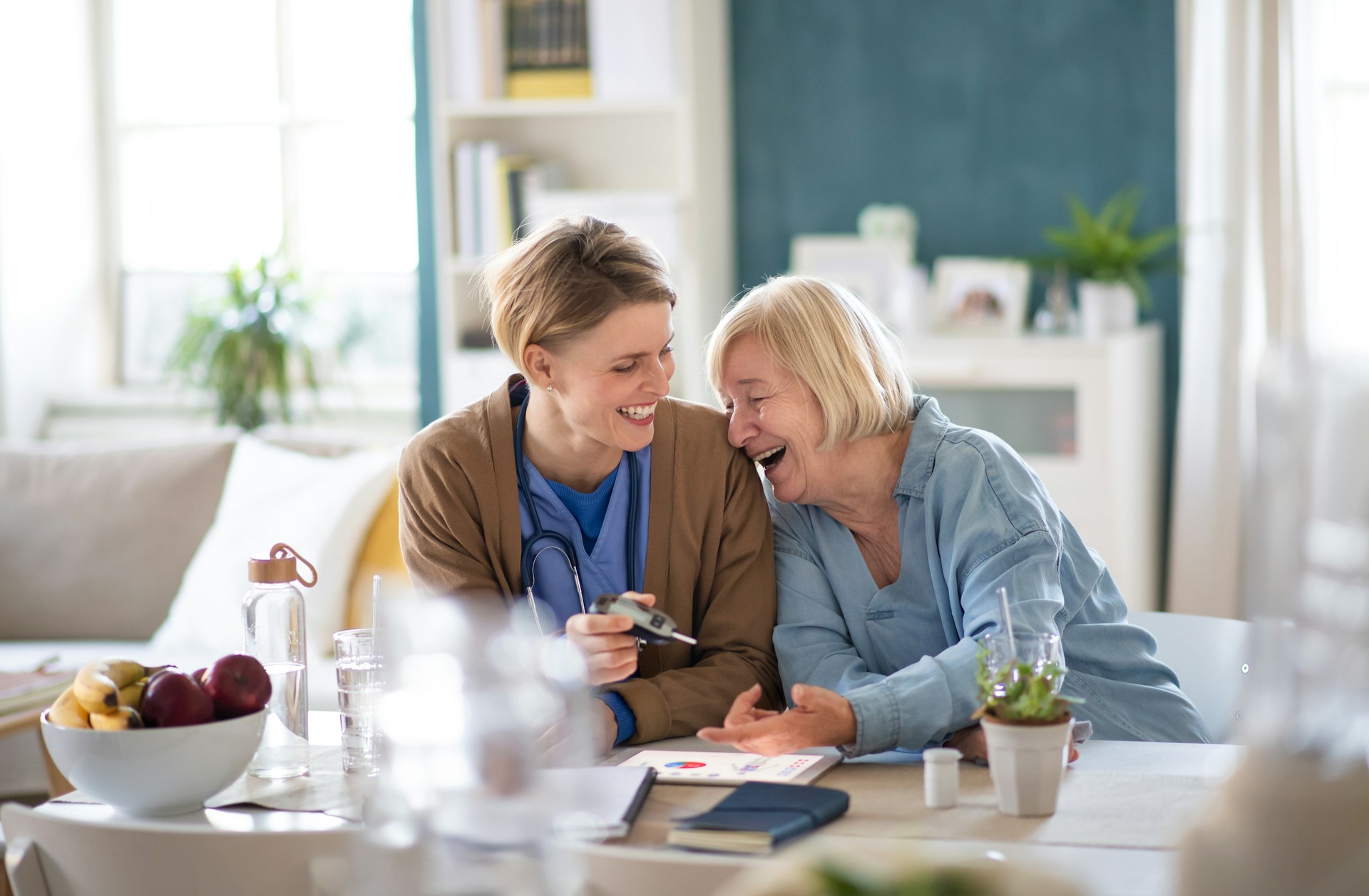
Non-medical help can include:
- Bathing, dressing, grooming, and toileting support
- Help moving safely around the home
- Meal planning, cooking, and light housekeeping
- Reminders for hydration and daily routines
This support fills the gap between full independence and needing to move into a facility for daily help, allowing seniors to stay where most Americans say they want to be: at home.
Companionship and meaningful engagement
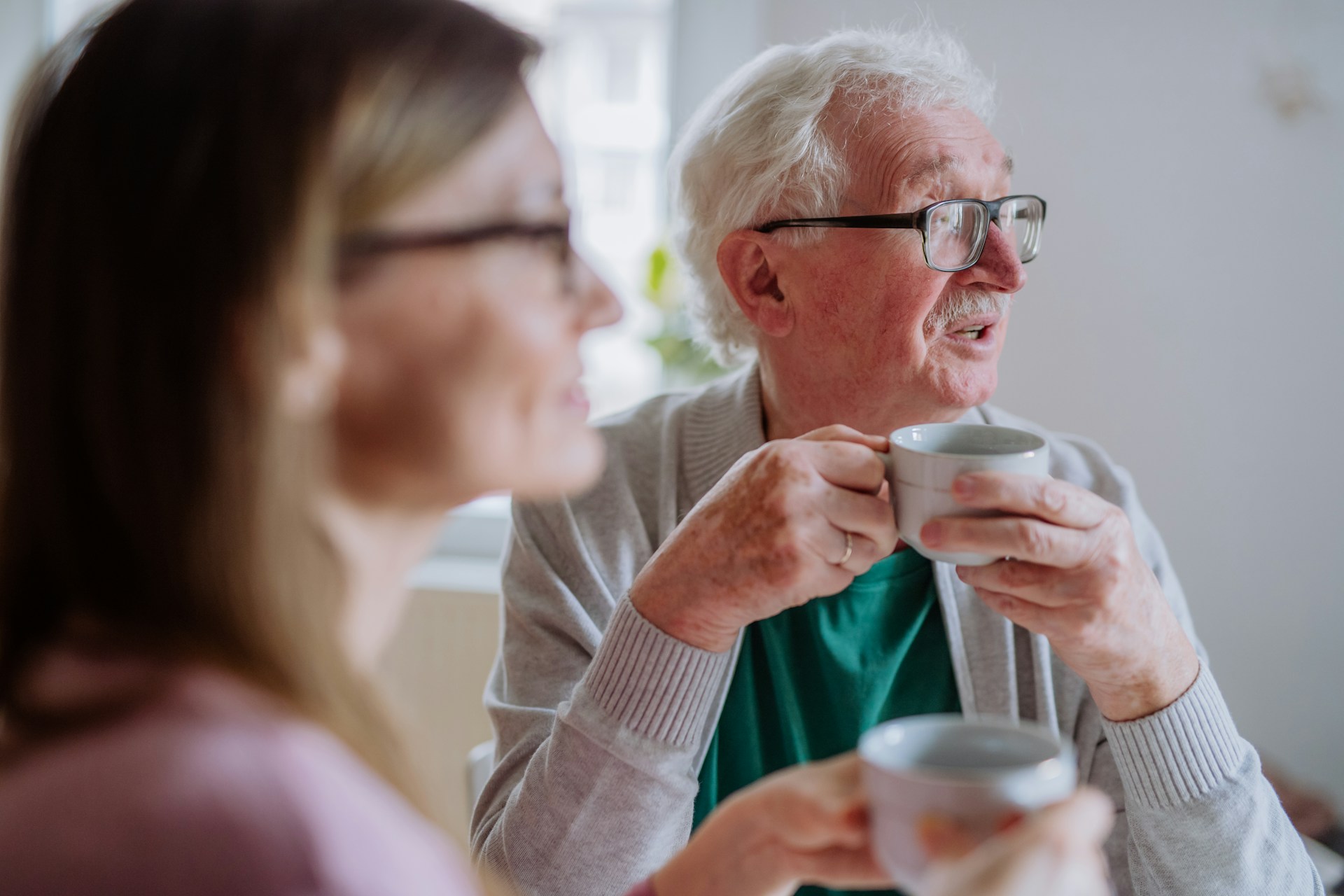
Loneliness can affect health and mood. Caregivers can bring:
- Friendly conversation and shared meals
- Games, puzzles, and reading together
- Short walks, music, or simple stretching
- Gentle activities for those with memory loss, like looking at old photos or listening to familiar songs
Planning for summer heat and seasonal needs
In Los Angeles, summer brings long days and strong sun. Caregivers can help by:
- Offering frequent drinks and light snacks
- Closing blinds or curtains during peak sun
- Using fans or AC as appropriate
- Planning appointments for cooler morning hours
- Watching for signs of heat exhaustion, like confusion or unusual tiredness
These small steps can make staying home much safer during hot months and help avoid a move to a facility purely for supervision.
Senior Home Care in Los Angeles with Confidence
Knowing when to start home care is not always clear. Families may notice:
- More frequent falls or stumbles
- Missed medications or confusion about pills
- Weight loss or little interest in food
- Declining hygiene or a messy home
- A spouse or adult child who is worn out from caregiving
Trying care a few days a week can be a gentle way to see how support feels while still honoring the widespread American preference to avoid institutional settings and stay at home.
When speaking with any agency, helpful questions include:
- Are you licensed and regulated by the HCSB?
- How do you screen and train caregivers?
- Who supervises caregivers and how often do you check in?
- What happens if a caregiver is sick or cannot come?
- How do you update the care plan and keep families informed?
Families often worry about losing control, but a good agency will invite questions, listen to concerns, and adjust at a pace that feels safe for everyone. The goal, shared by many families across America, is simple: keep home, keep dignity, and keep family at the center of every decision, with strong oversight from regulators like the HCSB to support safe, reliable care in the home.
Give Your Loved One the Support and Respect They Deserve
Choosing care is a big decision, and at Home Guardian Angels we are here to make it easier and more reassuring for your whole family. If you are exploring senior home care in Los Angeles, we can help you create a personalized plan that fits your loved one’s needs and routines. Reach out to contact us and we will walk you through next steps, answer your questions, and schedule a no-obligation conversation about in-home support.